








What Is Sex Trafficking?

Understanding what sex trafficking is and how it happens is essential to preventing exploitation and reaching those who have experienced it.

Sex trafficking is a form of sexual exploitation where a person is manipulated, coerced, or forced into commercial sex acts for someone else's benefit. While it can involve physical force, it more often relies on grooming, manipulation, threats, deception, and the abuse of trust to gain and maintain control. Traffickers often target vulnerable individuals, exploiting unmet needs such as safety, belonging, stability, or love for their own profit.

Under U.S. federal law, any minor under the age of 18 induced into commercial sex is considered a victim of sex trafficking–regarless of whether force or coercion was used.
The scale of the issue

Trafficking is a several billion dollar industry, making it the second largest illegal trade in the United States following the drug trade.

  • 83% are trafficked by someone they knew or trusted
  • Only 1% of victims are ever identified
  • 80% of survivors are re-victimized if they do not receive some sort of aftercare
A girl at a metro station
Looking Deeper

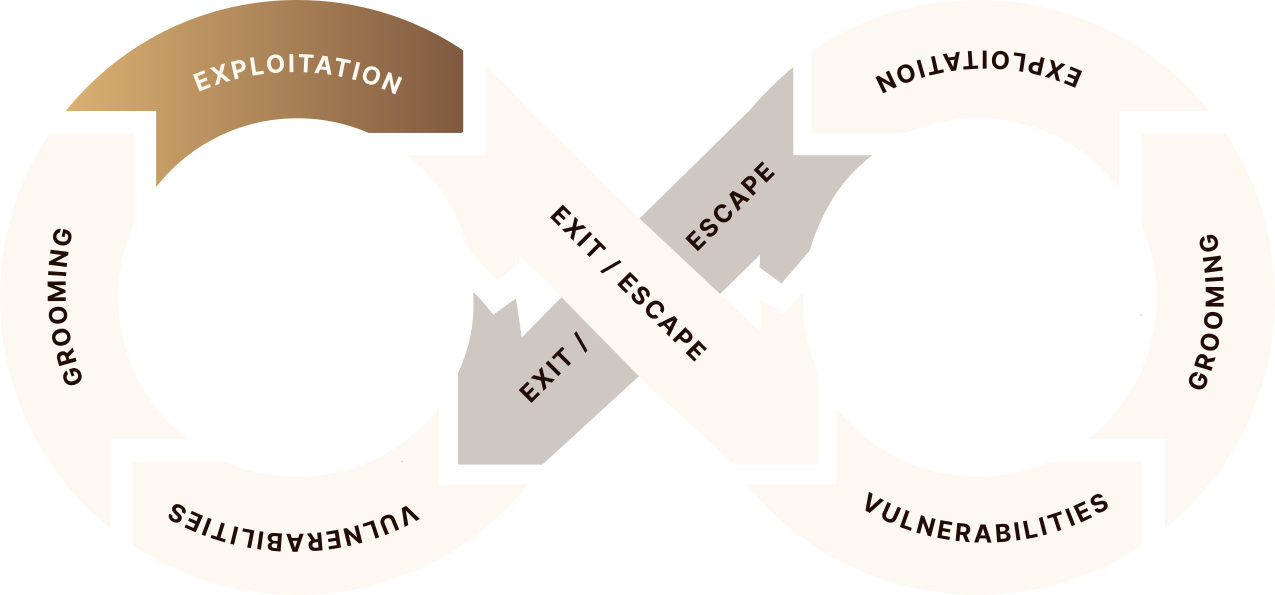
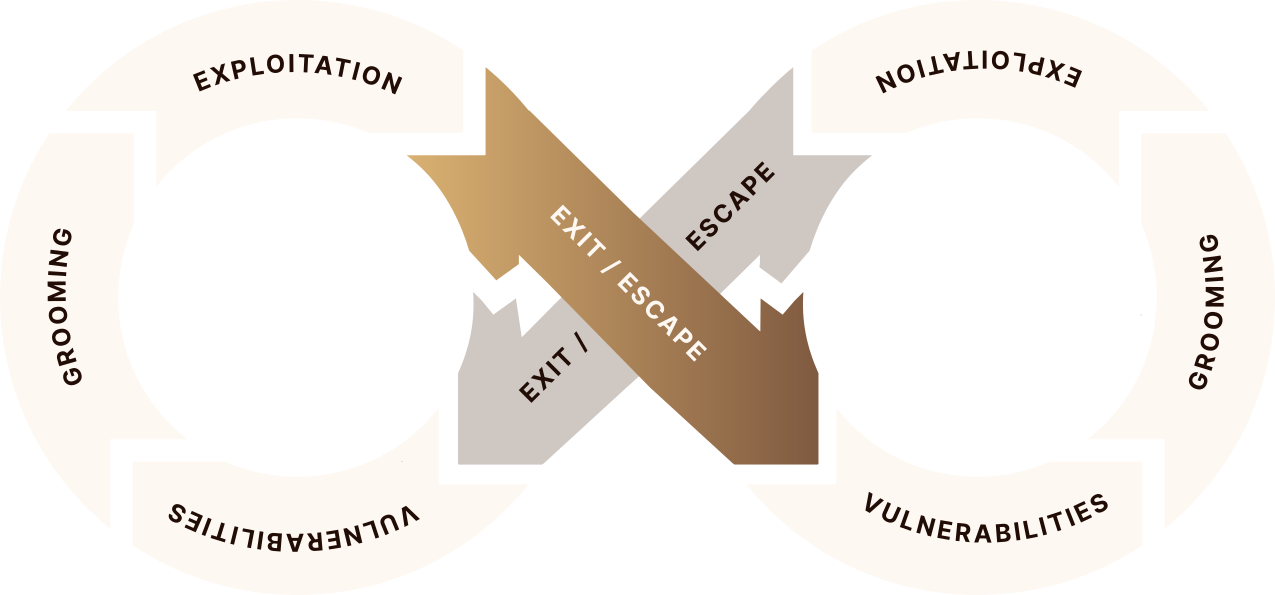
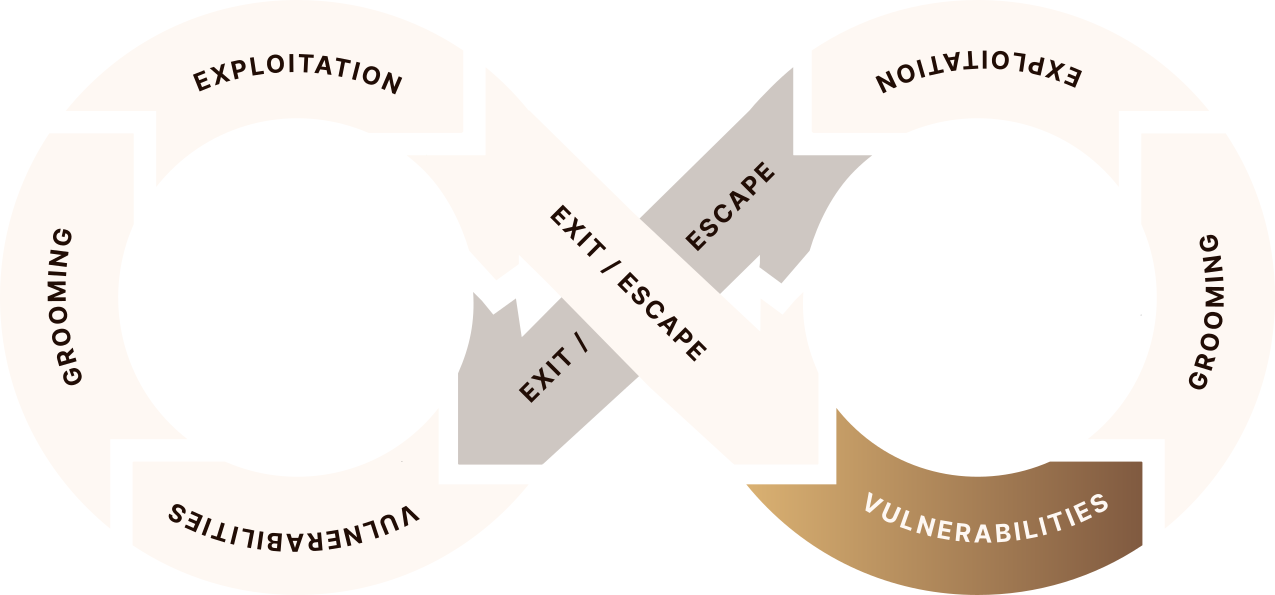
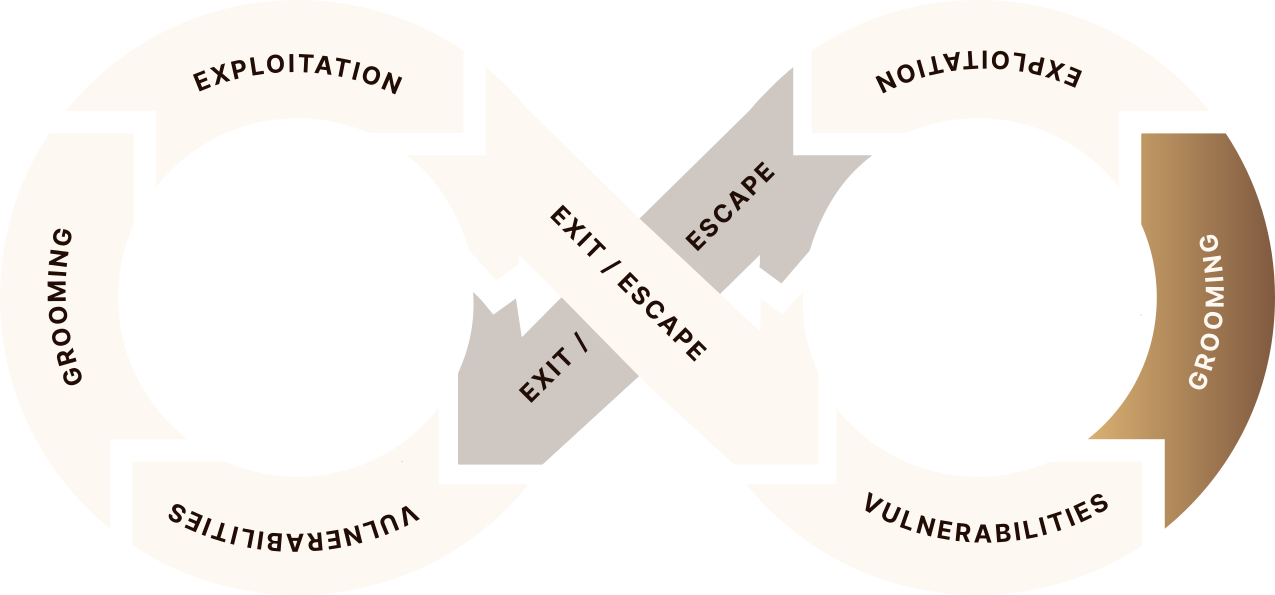
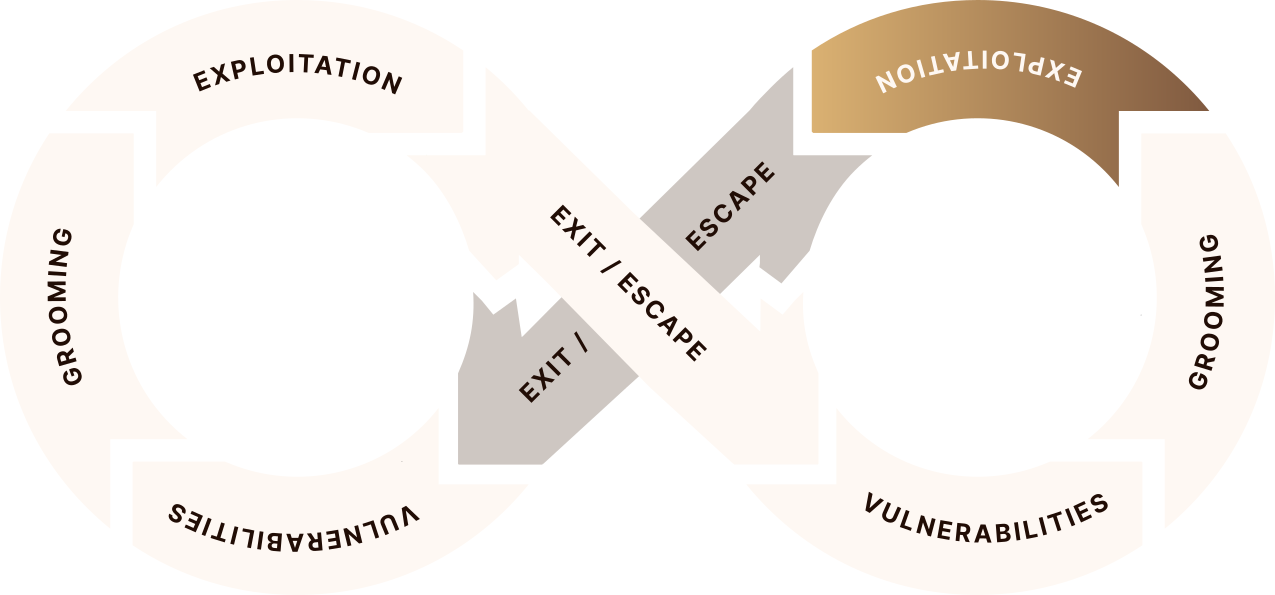
Understanding the Cycle of Trafficking

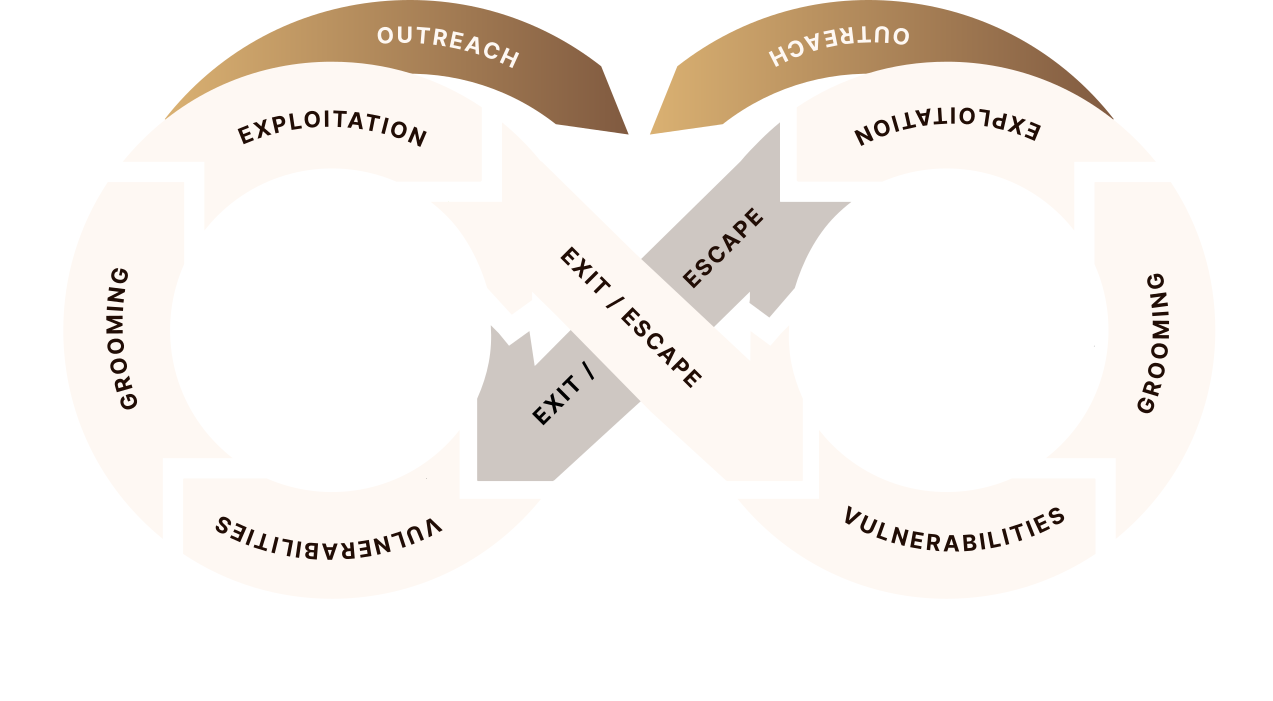
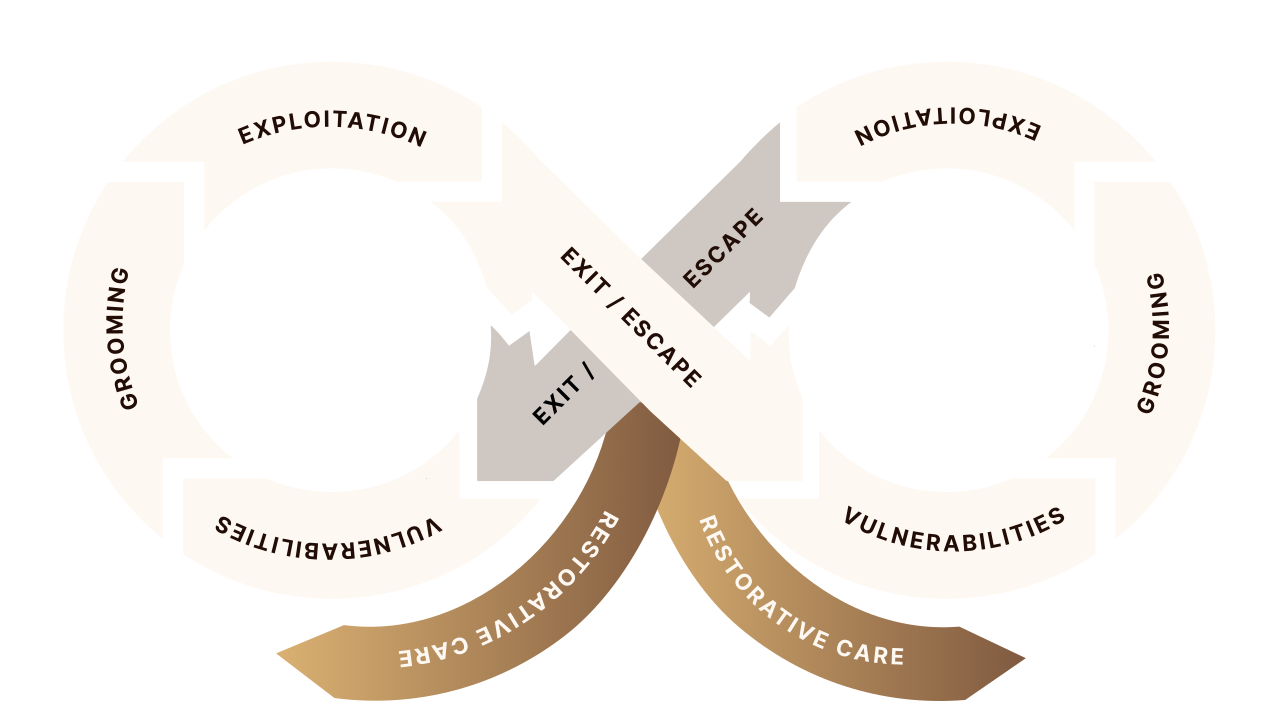
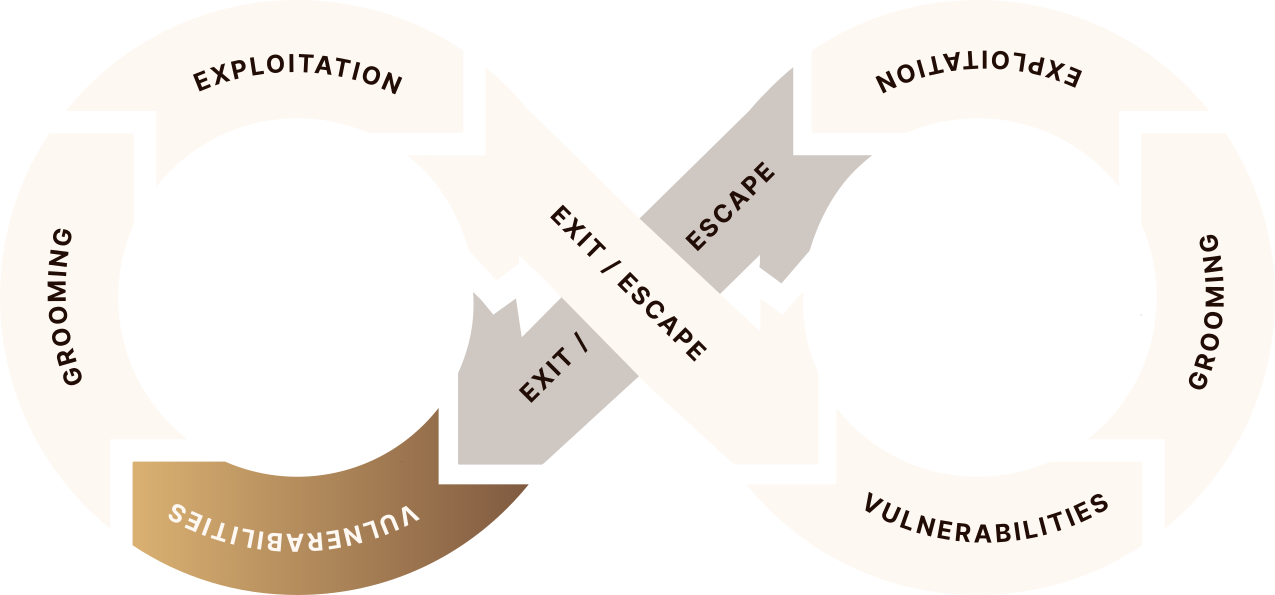
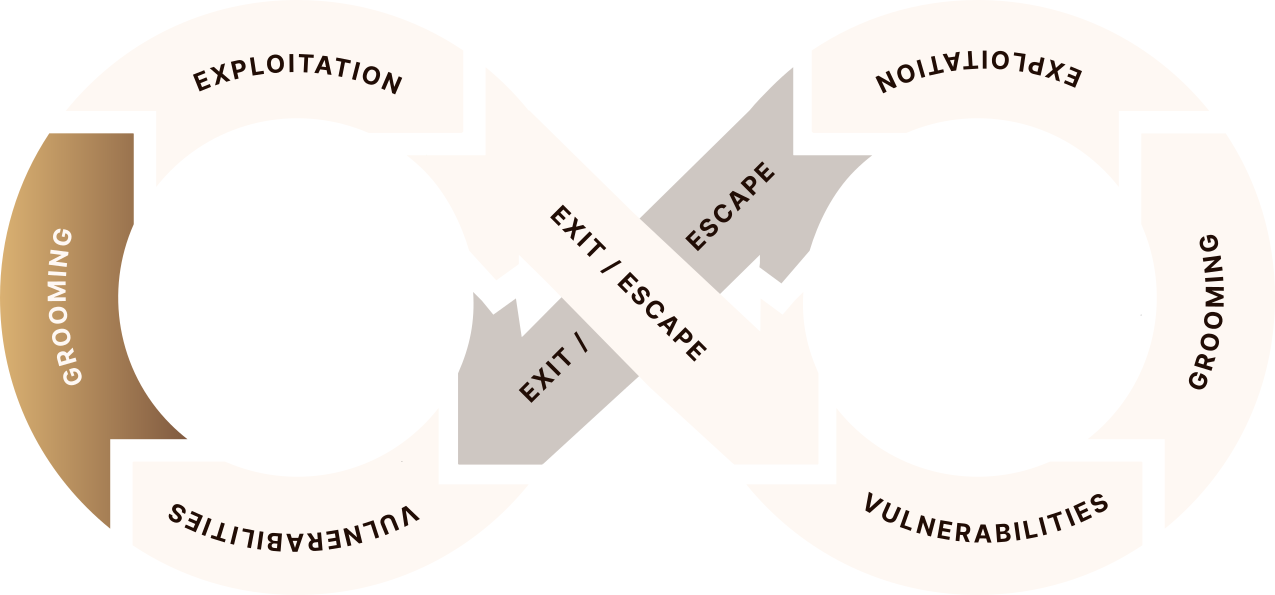
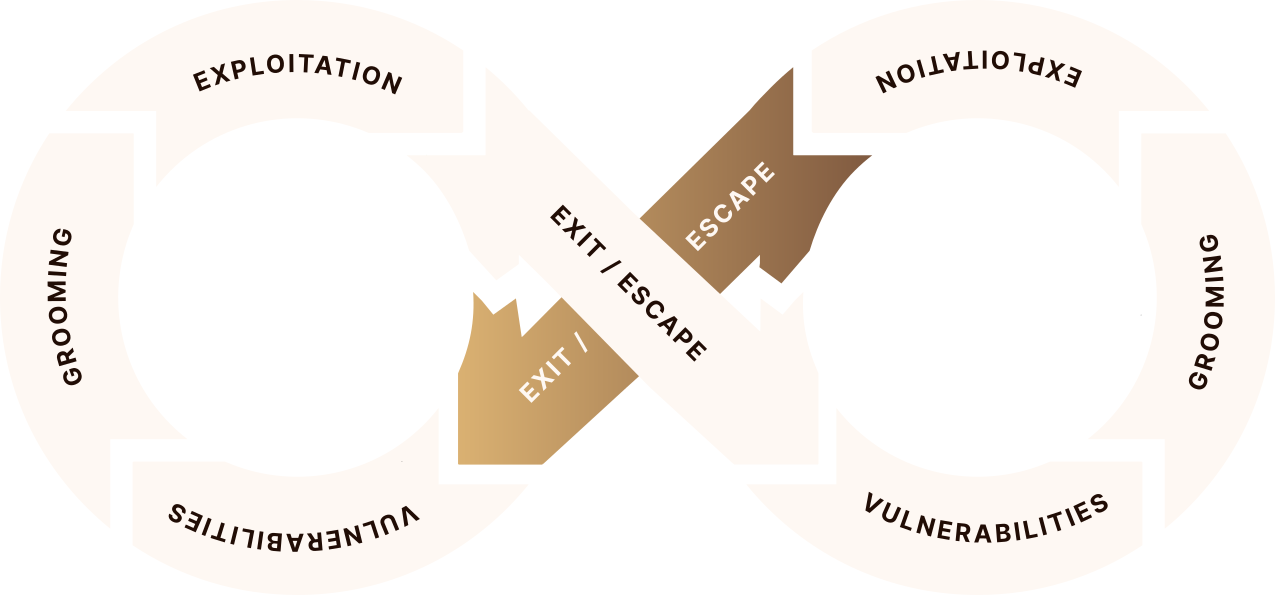
Trafficking often follows a repeating pattern shaped by vulnerability, exploitation, and re-victimization. Even after someone leaves a trafficking situation, the underlying vulnerabilities that were first exploited may still exist. Without timely intervention, support, and safe relationships, the cycle can continue.
Vulnerabilities

Vulnerabilities

Vulnerability does not cause trafficking, but it can create opportunities for exploitation. Factors like unstable housing, family conflict, abuse, isolation, unmet emotional needs, or a lack of trusted support can increase a person's risk. Traffickers intentionally look for these vulnerabilities and exploit them for their own gain.
Grooming

Grooming

Grooming is the process traffickers use to build trust before exploiting it. They may offer attention, affection, gifts, protection, or a sense of belonging, gradually creating dependence through manipulation and control. What begins as care or opportunity is often used to prepare someone for exploitation.
Exploitation

Exploitation

Exploitation occurs when a trafficker uses the trust, dependence, or control they have established to profit from another person. This often involves commercial sex acts, sustained through manipulation, coercion, threats, violence, or other forms of control that make leaving difficult.
Exit - Escape

Exit / Escape

Leaving exploitation is a significant and courageous decision. Survivors demonstrate incredible strength as they step away from abuse and begin rebuilding their lives. While recovery is rarely simple, every step toward safety is a meaningful one.
Vulnerabilities 2

Vulnerabilities

After leaving exploitation, many survivors continue to face challenges that can increase their vulnerability, including trauma, unstable housing, financial hardship, disrupted relationships, or a lack of ongoing support. These challenges are the lasting effects of exploitation.
Grooming 2

Grooming

Grooming often builds on a survivor's previous experiences and ongoing challenges. Traffickers may use familiar patterns of meeting basic needs, manipulation, false promises, or emotional dependence to regain control. Although the circumstances may change, the goal remains the same—to exploit trust for personal gain.
Exploitation 2

Exploitation

When traffickers regain control, exploitation often begins again. The same patterns of manipulation, coercion, and abuse are used to maintain power and profit from another person. Without intervention, the cycle of exploitation can continue, making each return increasingly difficult to escape.
Exit - Escape 2

Exit / Escape

Each time a survivor leaves exploitation, it is an act of courage and resilience. Even when the cycle repeats, choosing to leave reflects strength, hope, and the belief that a different future is possible. Every exit is an opportunity to interrupt the cycle and move one step closer to lasting safety.
Understanding Vulnerability

How Vulnerability Can Increase the Risk of Trafficking

Certain experiences and circumstances can increase a person's risk of exploitation. While every individual's story is different, the factors below represent some of the common vulnerabilities traffickers often target. This is not a comprehensive list.

Some common vulnerabilities

Unstable or unsafe housing
History of abuse, neglect, or trauma
Social isolation or limited trusted relationships
Unmet emotional or basic needs
Financial hardship or economic instability
Mental health challenges
Foster care or prior system involvement
Substance use within the individual or household
Forms of Child Sex Trafficking

Understanding the Common Ways Sex Trafficking Occurs

Sex trafficking happens in many different ways and often involves someone the victim knows and trusts. Although each experience is unique, traffickers use relationships, manipulation, and coercion to gain and maintain control for the purpose of exploitation.

Familial Trafficking

A parent, caregiver, or other family member exploits a child, often using trust, dependence, or authority to maintain control.

Non-Familial Trafficking

Someone outside the family exploits a child, frequently gaining trust and establishing a relationship before exploitation occurs.

Buyer-Perpetrated Trafficking

A buyer directly exploits a child by taking advantage of existing vulnerabilities, without the involvement of a third-party trafficker.

Gang-Controlled Trafficking

A gang exploits a child using its structure, influence, and control to recruit and exploit.
metro
The Reality

Understanding the Patterns Behind Exploitation

Sex trafficking is often more complex than people realize. Looking beyond common assumptions helps us better recognize exploitation and respond more effectively. 

The Reality Is
  • It doesn't always involve kidnapping.
  • Victims may not identify themselves as victims.
  • Upon recruitment, traffickers often use manipulation/coersion more than force.
  • Exploitation can happen over time.
  • Leaving is often dangerous and complicated.
  • Trafficking occurs in every type of community.
  • Exploitation may occur within relationships that appear normal to a stranger.
Interrupting the Cycle

Ending Exploitation Takes More Than One Approach

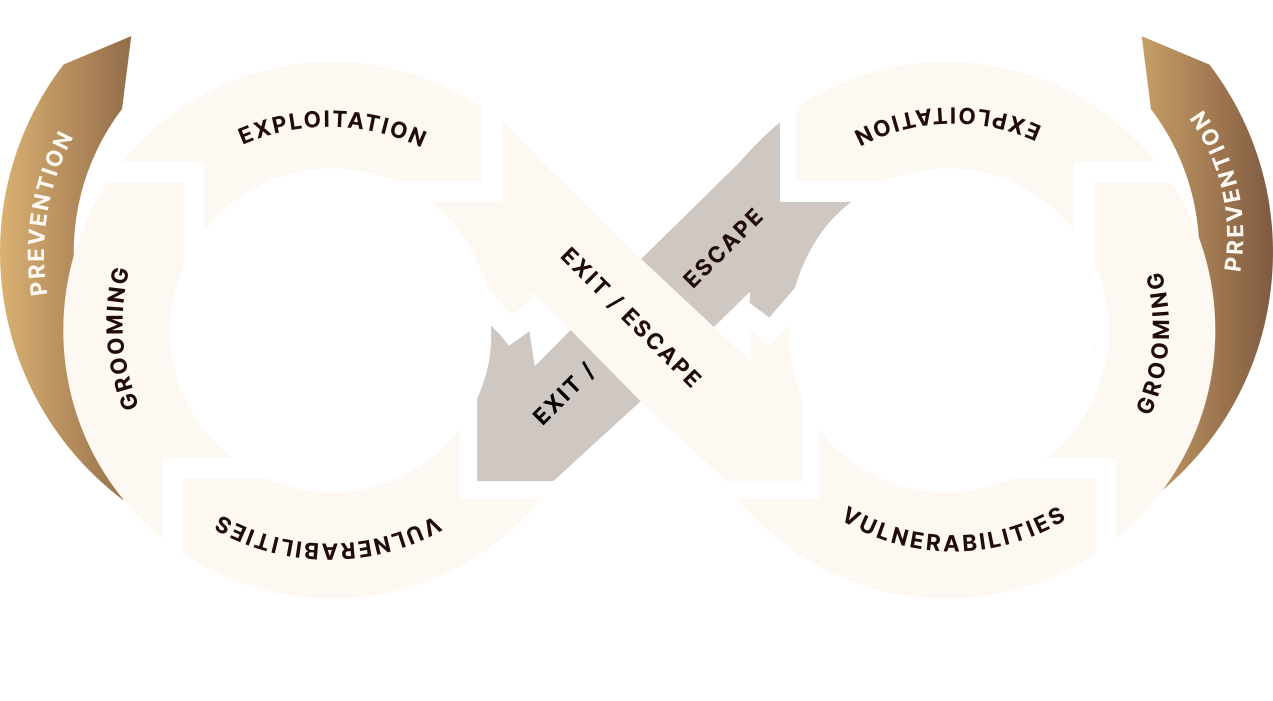
Trafficking can be interrupted at multiple points throughout the cycle. Different approaches are needed at different stages, from building protection before exploitation occurs to reaching those currently being exploited and providing long-term restorative care. Each intervention plays a distinct role, and lasting change depends on all of them working together to end exploitation.
Prevention

Prevention

Prevention works to reduce vulnerability before exploitation begins. By addressing the conditions traffickers often exploit and strengthening the protective factors that keep young people safe, prevention helps interrupt the cycle before it starts.
Outreach

Outreach

Outreach works to interrupt exploitation while it is happening. By meeting people where they are, building trust, and offering consistent support, outreach creates opportunities for safety, connection, and a path out of exploitation.
Restorative Care

Restorative Care

Restorative care works to reduce the risk of re-victimization after exploitation has occurred. By providing safety, stability, trauma-informed support, and healthy relationships, restorative care helps survivors heal, and rebuild their lives.
SUPPORT US

Be Part of Lasting Change

Ending exploitation requires all of us. Whether you educate, advocate, volunteer, or give, your involvement helps protect the vulnerable, support survivors, and strengthen our communities.

Frequently Asked Questions

Rarely. Most children who are trafficked are exploited by someone they already know — a family member, a significant other, a friend, someone who noticed a need and offered to fill it. Trafficking usually begins not with a stranger, but with a relationship. Understanding this is the first step to recognizing it.

Traffickers often control through fear, manipulation, shame, and false love, often convincing a young person that they chose this, that no one will believe them, or that leaving will put someone they love in danger. Many victims don't recognize what's happening as trafficking, especially when the person exploiting them is someone they trusted.

No. Boys also experience sex trafficking. They're far less likely to be seen as victims. Traffickers use the same tactics on boys that they use on girls: grooming, manipulation, the false promise of love or belonging, then coercion into commercial sex. But a boy is rarely who people picture, so his exploitation often goes unrecognized and unreported. Unfortunately, there are extremely limited resources in the country that offer residential specialized care for males or boys. That gap is part of what makes Daniel Academy so important.

If someone is in immediate danger, call 911.

You can reach out securely for immediate assistance for yourself or report anonymously to protect your privacy and safety by calling 833-5-BESAFE (833-523-7233) to connect with the right support. Or you can download Simply Report to report a tip.

Adagio has a residential program, not a crisis line. But once a child is safe, we are here to help with what comes next.

Subscribe to stay updated with our stories and impact
Adagio works to prevent exploitation, support survivors, and strengthen communities through long-term, relational care grounded in trust, dignity, and consistency.
Adagio Light
Adagio is a 501(c)3 and all donations are tax-deductible. EIN Number: 45-3449348